
Our need
Every person has sinned and cannot save themselves.
Romans 3:23 NASB 1995“for all have sinned and fall short of the glory of God,”
Faith first Preparedness with purpose
Practical readiness can protect a household. The Gospel of Jesus Christ changes a life forever.
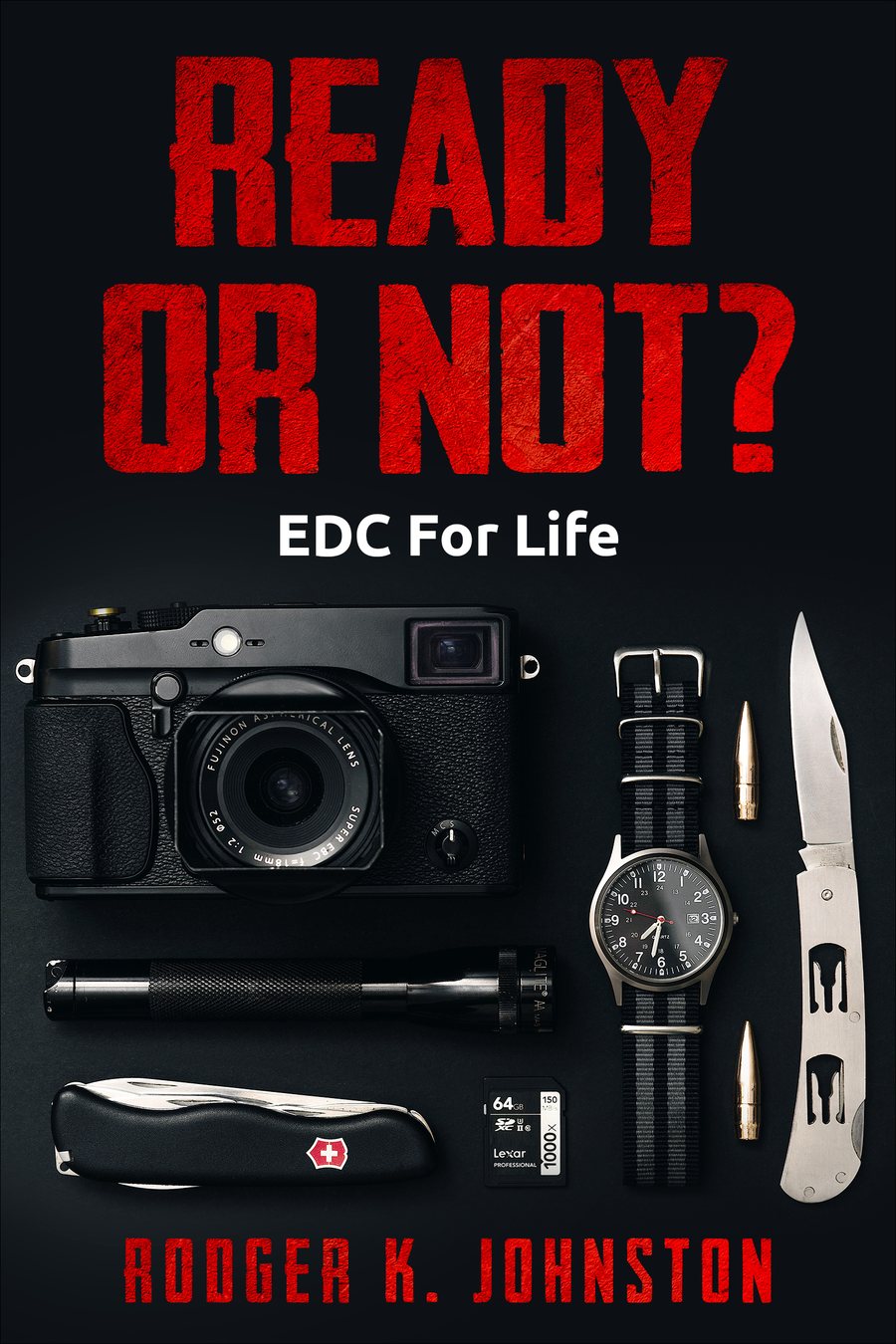
The top priority
Emergency plans matter. Eternity matters more. The Gospel is the good news that Jesus Christ saves sinners by grace through faith.
Every person has sinned and cannot save themselves.
Romans 3:23 NASB 1995“for all have sinned and fall short of the glory of God,”
Jesus died for our sins and rose from the dead.
1 Corinthians 15:3–4 NASB 1995“For I delivered to you as of first importance what I also received, that Christ died for our sins according to the Scriptures, and that He was buried, and that He was raised on the third day according to the Scriptures,”
Eternal life is God’s gift through Jesus Christ our Lord.
Romans 6:23 NASB 1995“For the wages of sin is death, but the free gift of God is eternal life in Christ Jesus our Lord.”
Turn to Christ and trust in Him alone for salvation.
Romans 10:9–10 NASB 1995“that if you confess with your mouth Jesus as Lord, and believe in your heart that God raised Him from the dead, you will be saved; for with the heart a person believes, resulting in righteousness, and with the mouth he confesses, resulting in salvation.”
Ephesians 2:8–9 NASB 1995“For by grace you have been saved through faith; and that not of yourselves, it is the gift of God; not as a result of works, so that no one may boast.”
What God Promises Through Jesus Christ
God does not ask you to earn salvation. These promises are received by grace through faith in Jesus Christ.
Your sins are forgiven through faith in Jesus.
“In Him we have redemption through His blood, the forgiveness of our trespasses, according to the riches of His grace”
Ephesians 1:7 NASB 1995
You become a new creation and begin walking with Him.
“Therefore if anyone is in Christ, he is a new creature; the old things passed away; behold, new things have come.”
2 Corinthians 5:17 NASB 1995
Salvation is God’s gift, secured in Christ.
“And the testimony is this, that God has given us eternal life, and this life is in His Son. He who has the Son has the life; he who does not have the Son of God does not have the life.”
1 John 5:11–12 NASB 1995
God offers these promises to you today.Will you trust Jesus Christ?
Take the next stepPreparedness with purpose
Biblical readiness pairs prayer with wise action—protecting the people entrusted to us and staying ready to serve our neighbors.
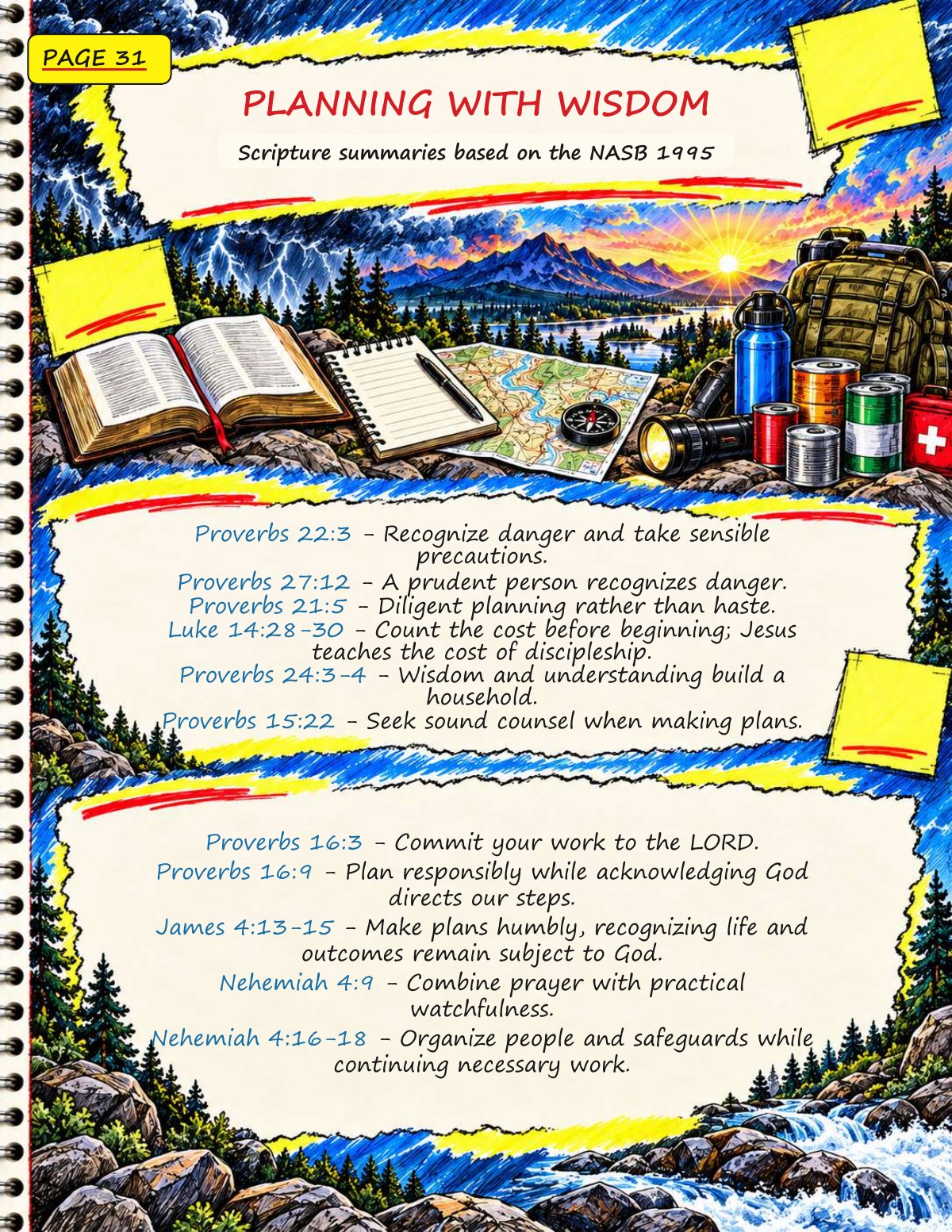
Recognize danger, count the cost, seek counsel, and commit your work to the Lord.
Proverbs 16:3 NASB 1995“Commit your works to the Lord And your plans will be established.”
Build provisions responsibly, track resources carefully, and remain ready to share.
1 Peter 4:10 NASB 1995“As each one has received a special gift, employ it in serving one another as good stewards of the manifold grace of God.”
Readiness creates capacity to carry burdens, meet needs, and serve with courage.
1 John 3:18 NASB 1995“Little children, let us not love with word or with tongue, but in deed and truth.”
Biblical readiness
Practical preparation never replaces faith. It becomes responsible stewardship when it is guided by wisdom, courage, generosity, and trust in the Lord.
Recognize danger, count the cost, seek counsel, work diligently, and acknowledge that God directs our steps.
Proverbs 27:12 NASB 1995“A prudent man sees evil and hides himself, The naive proceed and pay the penalty.”
Manage provisions carefully, set something aside consistently, provide for the household, and remain generous.
1 Corinthians 4:2 NASB 1995“In this case, moreover, it is required of stewards that one be found trustworthy.”
Use practical safeguards while trusting the Lord as the ultimate refuge and strength.
Psalm 46:1 NASB 1995“God is our refuge and strength, A very present help in trouble.”
Live watchfully, remain spiritually sober, and be ready for the return of Jesus Christ.
Matthew 24:44 NASB 1995“For this reason you also must be ready; for the Son of Man is coming at an hour when you do not think He will.”
Carry burdens, share what is needed, care for the injured, and organize relief with love.
Galatians 6:2 NASB 1995“Bear one another’s burdens, and thereby fulfill the law of Christ.”
Bring fear to God in prayer, stand in faith, love, and discipline, and ask Him to establish the work.
2 Timothy 1:7 NASB 1995“For God has not given us a spirit of timidity, but of power and love and discipline.”
Receive Jesus Christ, trust in His finished work, and live every day with, for, by, and through Him.
Useful right now
Select any category to view its full preparation guide. Your progress is saved in this browser so you can return and continue.
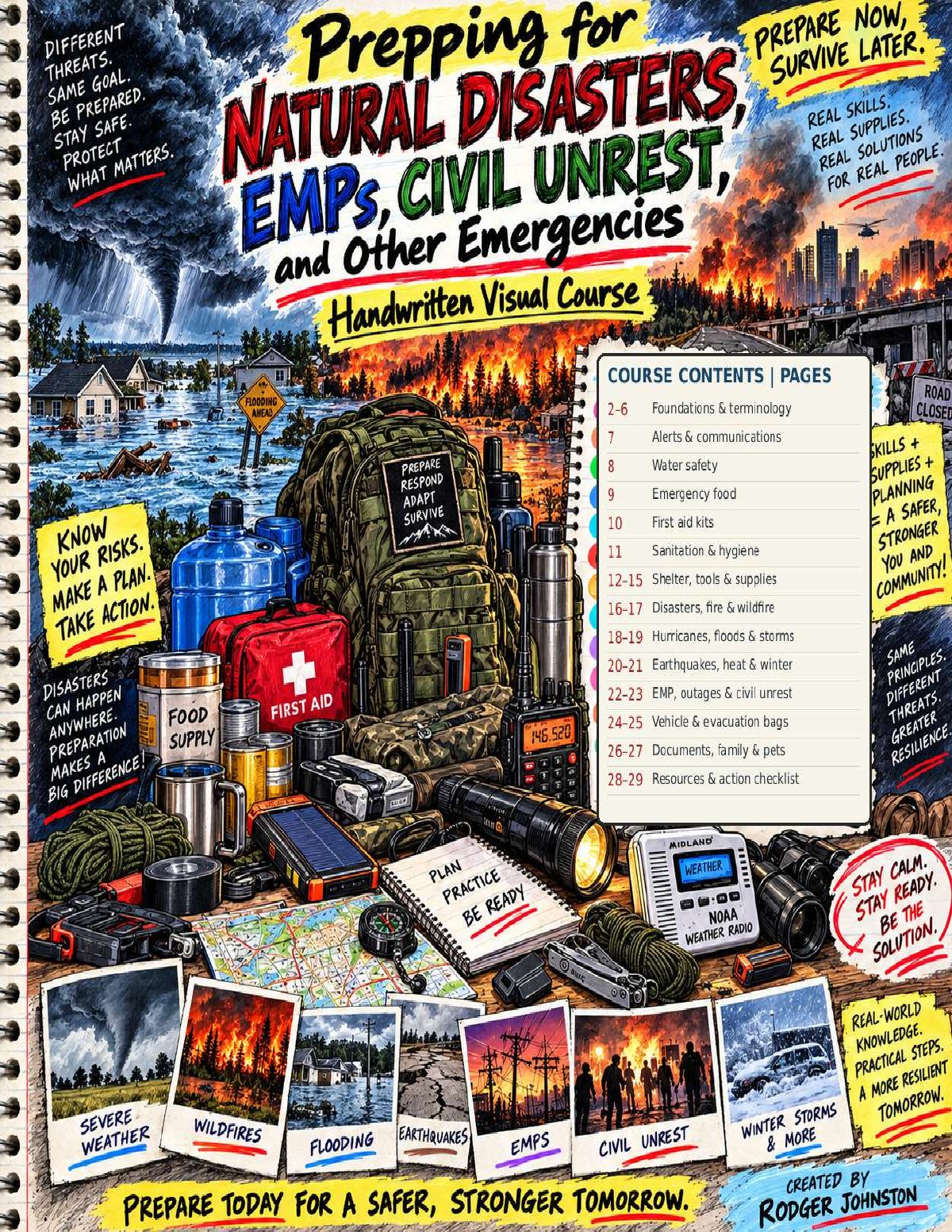
38-Page Guide · Digital Bible Edition
Created by Rodger K. Johnston, this high-resolution guide turns essential preparedness topics into clear, memorable, full-color pages—then points readers to the eternal hope found in Jesus Christ.
Ready or Not? · Digital collection
See the quality here, then purchase once to receive the formats and resources built for reading, teaching, presenting, and offline use.
The complete Windows app, PDF, PowerPoint, full flipbook, and supporting resources are paid downloads delivered after purchase. Only selected preview pages are shown publicly below.
EXE
An offline Ready or Not? page-turn experience packaged as a Windows executable.
Available Soon
PDF
High-resolution visual pages for close reading on computers, tablets, and phones.
Available Soon
PPTX
A page-by-page presentation edition for teaching, group study, and guided review.
Available Soon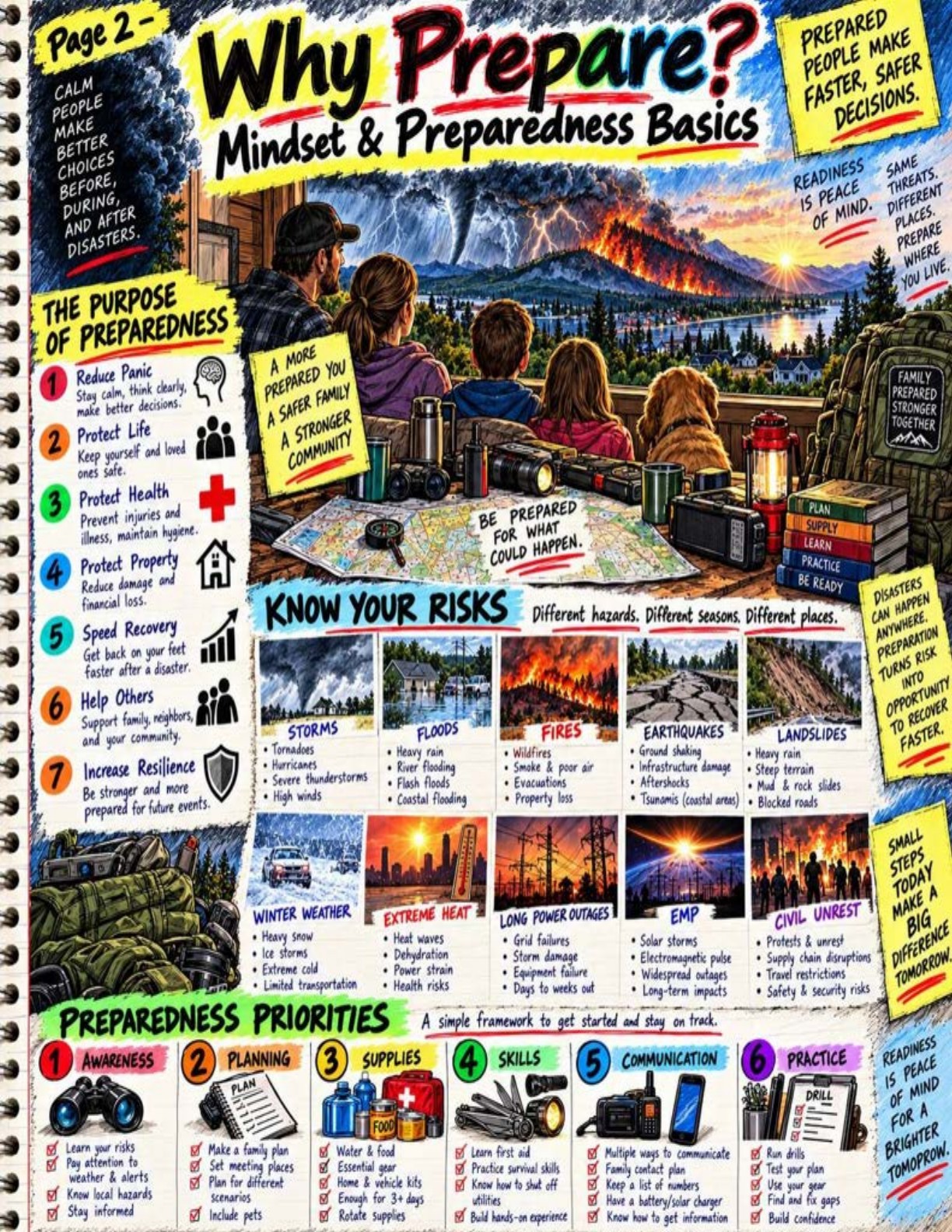 FLIP
Experience selected sample pages in an interactive reader directly on this website.
Available Now38-page visual preparedness guide
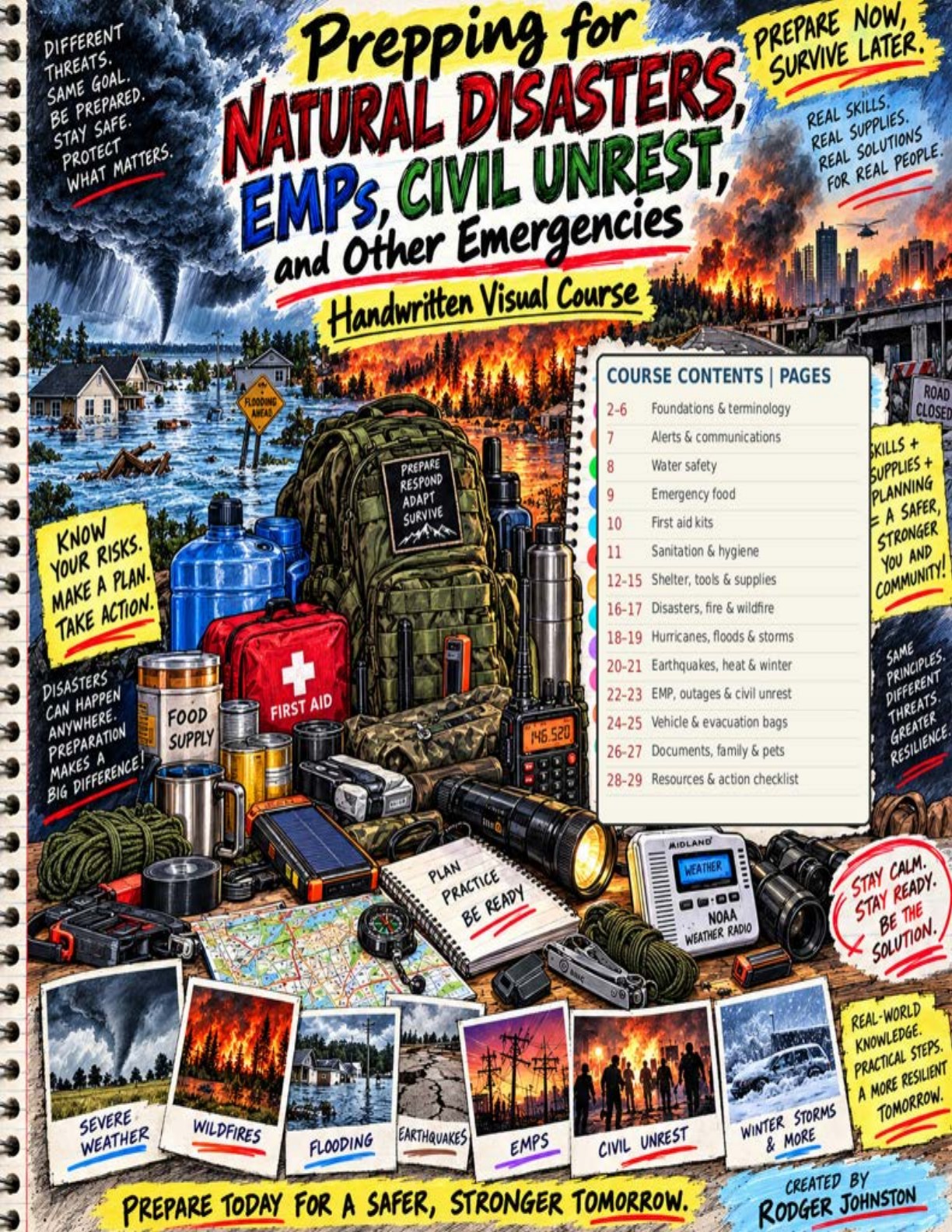
This protected preview comes directly from the 38-page visual preparedness guide. It shows the actual design, teaching approach, and practical readiness content without exposing the complete paid guide.
Explore the complete course
Select a section to explore the actual subjects covered throughout the 38-page Digital Bible Edition.
Start with a calm, capable mind
Prepared people can make safer decisions before, during, and after an emergency. These opening lessons build a framework that works across different threats and locations.
Reduce panic, protect life and health, limit property loss, recover faster, help others, and strengthen resilience.
Use the Rule of 3 to remember the order of immediate needs: air, shelter, water, and food.
Apply “two is one and one is none” to light, fire, communications, documents, and evacuation routes.
Identify local hazards, meeting places, emergency contacts, shelters, and multiple routes before they are needed.
Understand EDC kits, get-home bags, go-bags, bug-out bags, caches, and longer-term supplies.
Use emergency alerts, weather radio, trusted local information, family contacts, and an out-of-area contact.
Write one family meeting place, one out-of-area contact, and two evacuation routes today.
Build practical capability
This section turns the essentials into understandable systems—what to store, why it matters, and how to use it safely when normal services stop.
Plan storage, recognize safe sources, filter sediment, purify correctly, and follow local water advisories.
Choose shelf-stable nutrition, include household needs, rotate supplies, and understand outage food safety.
Build a useful kit, understand each item, control serious bleeding, clean wounds, and get help quickly.
Protect health through handwashing, safe waste handling, hygiene supplies, and emergency toilet alternatives.
Stay dry, manage temperature, prepare safer rooms, detect hazards, and protect the home from weather.
Layer flashlights, headlamps, batteries, power banks, solar chargers, vehicle charging, and safe generator use.
Gather one working light, one charged power bank, three days of water, and a usable first aid kit.
Different threats, consistent principles
Each hazard has its own warning signs and protective actions, but awareness, early movement, shelter, reliable information, and a practiced plan remain constant.
Maintain alarms, extinguishers, escape routes, defensible space, clean air plans, and early evacuation readiness.
Know zones, protect records, secure the home, move to safer ground, and never enter floodwater.
Recognize watches and warnings, reach the lowest interior space, protect the head, and avoid damaged utilities.
Drop, cover, and hold on; expect aftershocks; avoid glass, unstable structures, and fallen power lines.
Watch steep terrain, unusual sounds, changing water, leaning trees, and road damage during heavy rain.
Manage temperature exposure, hydration, air quality, vulnerable family members, and travel risk.
Identify the safest shelter location in your home and the fastest route to safer ground in your area.
When systems stop working
Grid failures, equipment damage, cyber incidents, EMP effects, and civil unrest can disrupt multiple services at once. Resilience comes from layered supplies and calm decisions.
Expect impacts to lights, heating, cooling, appliances, refrigeration, medical devices, and communications.
Pressure and treatment may fail, while electric pumps can make gasoline and diesel temporarily unavailable.
Food, medicine, fuel, and other essentials may be delayed, so rotate practical reserves before shortages.
Combine radio, local alerts, charged devices, printed contacts, and plans that still work without the internet.
Avoid hotspots, leave early when appropriate, know alternate routes, and shelter in place when it is safer.
Stay informed through multiple trusted sources, keep a low profile, and preserve communication with loved ones.
Choose one room that can support a short shelter-in-place period and confirm your backup information sources.
Move safely and protect what matters
Readiness follows you away from home and accounts for every person, pet, document, route, and special need that belongs in the decision.
Maintain fuel, tires, fluids, lights, seasonal gear, basic tools, and multiple ways home.
Build a compact bag for the distance, weather, routes, footwear, water, communication, and medical needs.
Separate everyday carry, get-home, 72-hour, and larger bug-out roles so each kit has a clear job.
Protect identification, insurance, medical information, contacts, account records, and secured backup copies.
Improve lighting, locks, visibility, fire safety, utility awareness, and records for recovery.
Plan food, medication, mobility aids, care instructions, power requirements, comfort items, and support contacts.
Place essential records, medications, contact information, and household-specific needs on one written checklist.
Ready or Not? · Preparedness in action
Prepare your household, practice the plan, and keep essential information where everyone can find it. The full-length preparedness book is still being completed.